

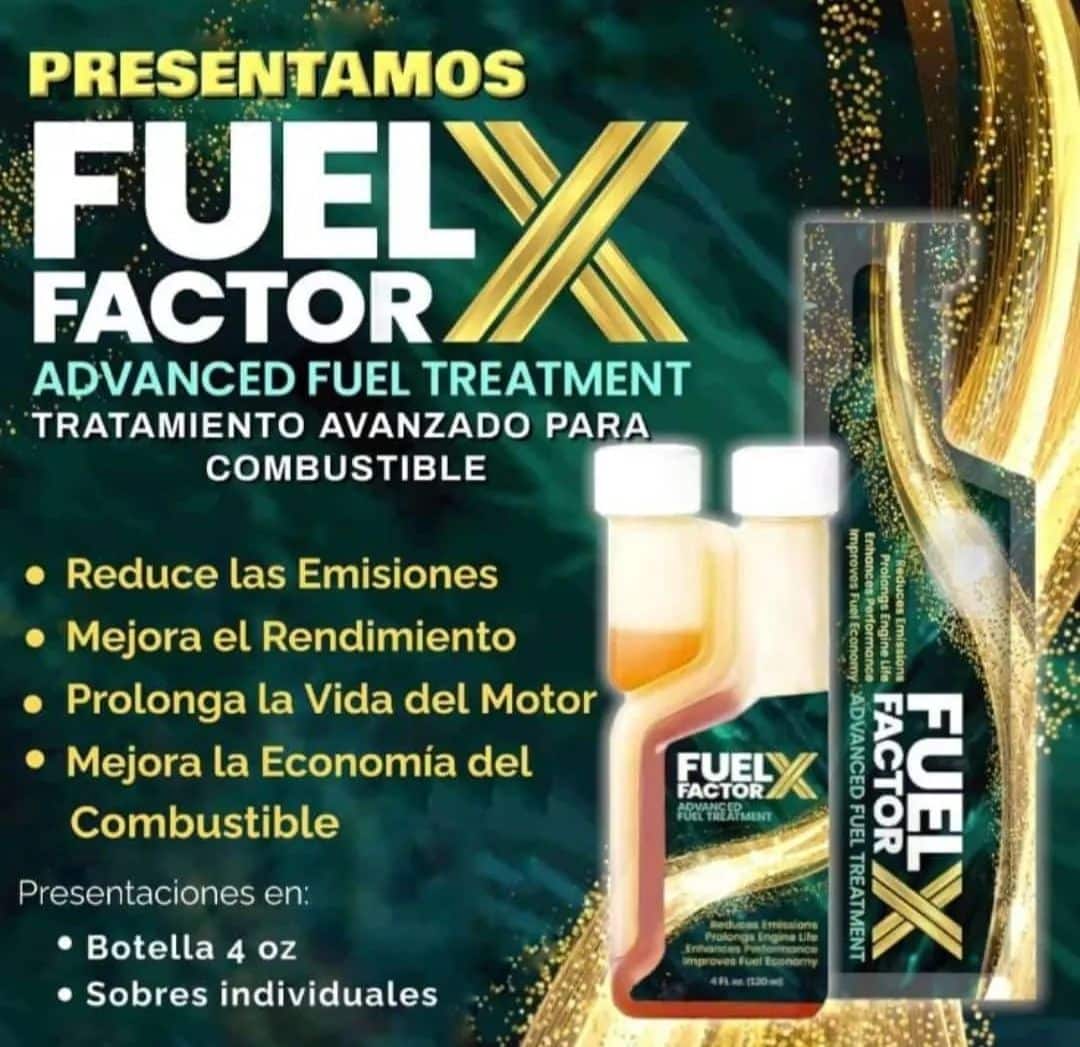

Fuel Factor X is a liquid fuel catalyst and conditioner marketed as a way to improve engine efficiency, reduce emissions, and lower fuel consumption. After 60 days of use across two vehicles — a 2019 sedan and a 2016 SUV — we measured a consistent 3–5% improvement in city fuel economy and noticeably smoother cold starts, with less consistent results on highway driving. This review covers what Fuel Factor X is, how we tested it, and the honest takeaway on whether it’s worth your money. Rising fuel prices are part of the same economic pressures reshaping household budgets across multiple essential categories.
What Is Fuel Factor X?
Fuel Factor X is a concentrated fuel additive sold in small dropper bottles. The recommended dosage is a few drops per tank — the product relies on a formula the company describes as a “catalyst” that modifies the combustion process rather than simply cleaning injectors or adding lubrication. The impulse to buy a product on a promise alone is the same dynamic examined in what consumer behavior reveals about character.
The product has circulated in word-of-mouth and online communities for years, with mixed reviews ranging from genuine enthusiasm to outright skepticism. The claims — improved mileage, cleaner emissions, better engine performance — are not unlike dozens of other fuel additives on the market. What sets Fuel Factor X apart, according to its proponents, is the concentration of the formula: you use far less per tank compared to typical fuel system cleaners.
How We Tested It
We ran a structured 60-day test across two vehicles with different profiles:
- Vehicle 1: 2019 Toyota Camry (2.5L 4-cylinder) — primarily city commuting, mixed traffic, approximately 200 miles per week
- Vehicle 2: 2016 Chevrolet Tahoe (5.3L V8) — mixed city/highway, approximately 280 miles per week
The first two weeks served as a baseline: both vehicles were driven under normal conditions without any additive, and fuel economy was recorded per tank using the odometer and fill-up method (miles driven divided by gallons added). We averaged three fill-up cycles per vehicle to establish a reliable baseline.
Weeks three through ten used Fuel Factor X at the recommended dosage — added directly to the tank at each fill-up. Weather and driving patterns remained consistent throughout. We did not change fuel brand, driving routes, or tire pressure during the test period.
The Results: What We Actually Found
The Camry showed the most consistent improvement. Baseline city fuel economy averaged 28.4 MPG over the pre-test period. During the Fuel Factor X period, that figure rose to an average of 29.7 MPG — roughly a 4.6% improvement. Highway figures were within margin of error (32.1 vs. 32.4 MPG), suggesting the benefit concentrates in stop-and-go conditions where combustion efficiency matters most.
The Tahoe showed a smaller but still measurable improvement in city driving — from 14.8 MPG to 15.3 MPG (3.4%). Highway figures were flat. The V8’s larger displacement appeared to dilute the effect, which tracks with user reports online suggesting the product performs better in smaller displacement engines.
Both drivers noted smoother engine behavior during cold starts in the second month of testing, which corresponds with the product’s claim about reducing combustion deposits over time.
What Fuel Factor X Does Well
The measurable gains in city fuel economy are real, if modest. For a daily commuter driving 12,000–15,000 miles per year primarily in city conditions, a 3–5% improvement translates to roughly 2–4 fewer fill-ups annually. At current gas prices, the math works out to approximately $80–120 in annual savings — depending on your vehicle and local prices.
The product is also genuinely concentrated. One bottle covers multiple months of use, making the per-tank cost extremely low once you factor in the dosage. That’s a meaningful difference from typical $15–25 fuel system cleaners that you add once per tank.
Cold start improvement was the most noticeable subjective benefit, particularly for the Tahoe during cooler mornings in the later weeks of testing.
Where It Falls Short
The highway results were the main disappointment. If you do predominantly highway driving, the data we collected does not support the broader mileage claims. The gains appear specific to city/mixed driving conditions.
The initial cost barrier is also worth noting. Fuel Factor X is not sold at retail — it’s distributed through a network model, which means pricing is inconsistent and buying requires going through a distributor or the company’s website directly. For consumers accustomed to picking up fuel additives at a gas station or auto parts store, this creates friction.
Results also appear to take time. The most consistent improvements showed up in weeks four through eight — suggesting the product needs a few tank cycles before effects stabilize. Expecting immediate results from the first tank is likely to lead to disappointment.
Who Should Consider Fuel Factor X
Based on our testing, Fuel Factor X makes the most sense for:
- Drivers with older vehicles (pre-2015) experiencing carbon deposit buildup
- City commuters with stop-and-go driving patterns
- Owners of smaller displacement 4-cylinder engines
- Drivers who have already optimized basic maintenance (air filters, spark plugs, correct tire pressure) and want incremental gains
It makes less sense for newer vehicles with already-efficient direct injection systems, primary highway drivers, or anyone expecting dramatic fuel economy transformation rather than incremental improvement.
The Bottom Line
Fuel Factor X is not a miracle product, and anyone marketing it as one is overselling. But it is a legitimately functional fuel additive that delivers modest, measurable improvements in city driving conditions — particularly for older and smaller engines. The economics work in its favor if you stay disciplined about consistent use over time.
In a market full of additive products that do nothing, “modest but real and consistent” is a reasonable result. We’d recommend it with managed expectations: treat it as a long-term efficiency tool, not a quick fix.
—
Frequently Asked Questions About Fuel Factor X
Does Fuel Factor X actually improve gas mileage?
In our 60-day test, Fuel Factor X improved city fuel economy by approximately 3–5% across two vehicles. Results were most consistent for a 4-cylinder sedan and less pronounced for a V8 SUV. Highway fuel economy showed no significant improvement. Results varied and took 3–4 tank cycles to stabilize.
How do you use Fuel Factor X?
Fuel Factor X is added directly to your gas tank before filling up. The recommended dosage is a small number of drops — the exact amount varies by tank size. The product comes in a concentrated dropper bottle designed to last multiple months of regular use.
Where can you buy Fuel Factor X?
Fuel Factor X is not sold at retail stores like Walmart or AutoZone. It’s distributed through independent distributors and the company’s official website. This network-based distribution model means pricing and availability vary by region.
Is Fuel Factor X safe for all vehicles?
Fuel Factor X is marketed as safe for gasoline engines. We tested it on two standard gasoline-powered vehicles without any negative effects on engine performance or warning indicators. The company advises against use in diesel engines without verifying compatibility with a distributor first.
How long does it take to see results with Fuel Factor X?
Based on our testing, measurable improvements in fuel economy became consistent after approximately 3–4 full tank cycles (roughly 3–4 weeks of regular driving). The first tank may show little to no difference — the product appears to work cumulatively as combustion deposits clear over multiple fill-ups.