



You have seen lemon verbena tea called “calming” on a wellness feed, and probably wondered whether that is a real effect or just another herbal-tea promise nobody ever bothers to check.
Lemon verbena is one of many plants explored in our anti-inflammatory food and drink guides.
Fair question. Most write-ups on lemon verbena tea benefits and uses smudge the line between centuries-old folklore and what researchers have actually measured. That gap matters, because it is the difference between adding a cup to your routine for a good reason and adding it because of a slogan. This guide goes the other way: it separates the evidence-backed effects from the traditional ones, leads with the real human-trial numbers on sleep and exercise recovery, and stays honest about what is not yet proven and who should be careful. Where there is research, you get the study named and the numbers quoted. Where a use is traditional, it is labeled traditional.
Table of Contents
What Is Lemon Verbena Tea (and What’s Actually In It)?
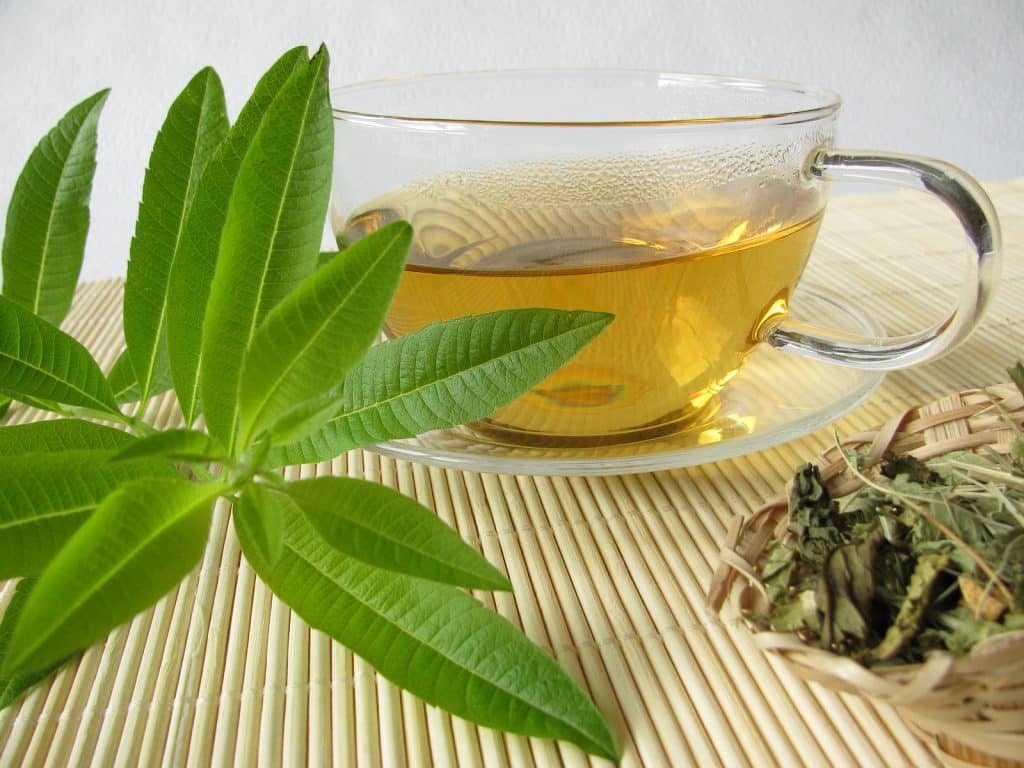
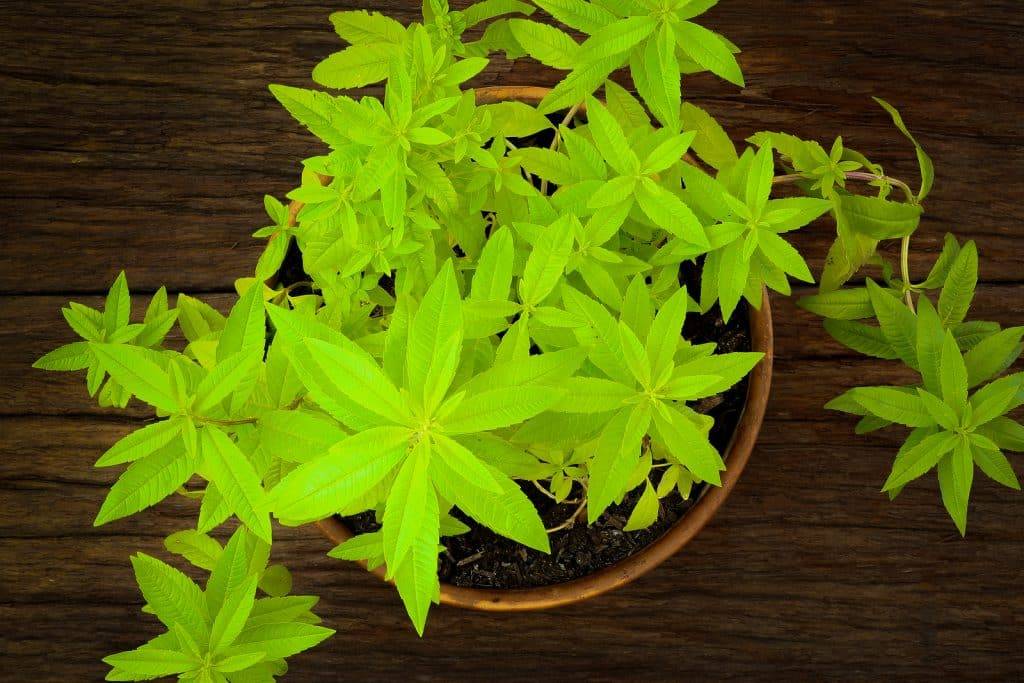
Lemon verbena tea is an infusion made from the leaves of Aloysia citrodora, a fragrant shrub native to South America and now grown across warm climates worldwide. The fresh or dried leaves carry a bright, lemony aroma—which is reason enough to drink the tea for taste alone—and that scent comes from essential-oil compounds in the leaf. Steep the leaves in hot water and you pull two things into the cup at once: those aromatic oils, and a group of water-soluble plant chemicals.
Whether any of the benefits below are even plausible comes down to what the plant carries. Lemon verbena is a notable source of polyphenols, and one keeps showing up in the research as a key active compound: verbascoside. In a laboratory study profiling the plant, lemon verbena extracts showed measurable antioxidant activity, including DPPH radical-scavenging capacity, alongside a phytochemical profile rich in polyphenols (Plants (Basel), 2022). Antioxidant activity is the mechanism researchers reach for when they explain why lemon verbena might affect inflammation, recovery, and oxidative stress.
So this is not an inert flavoring. It carries compounds with documented biological activity in the lab. Whether a single mug of brewed tea delivers enough of them to match what the trials measured is a different question—and one that shapes everything below.
The “Mind” Benefits: Sleep, Stress, and Relaxation
The strongest mind-and-mood evidence for lemon verbena is about sleep, and it is far more specific than the usual “may promote relaxation” line you have read a hundred times.
A 2024 randomized, double-blind, placebo-controlled trial published in Nutrients gave a lemon verbena extract to healthy adults with poor sleep (n=71) over 90 days and tracked their sleep against a placebo group (Pérez-Piñero et al., Nutrients, 2024). Several measures moved in the same direction at once. PSQI sleep efficiency reached 84.5 versus 79.8 in the placebo group (p=0.023). A visual-analog sleep-quality score rose to 6.5 versus 5.5 (p=0.021). Objective actigraphy readings—sleep latency, efficiency, awakenings—also came out better in the extract group (p=0.001). And plasma nocturnal melatonin increased significantly. Melatonin is the hormone that tells your body it is time to wind down, so a measurable bump there is a real mechanism, not a vague feeling.
So, is verbena tea good before bed? The evidence points toward a genuine sleep benefit. The catch, which we get into below, is that the trial used a standardized extract, not a brewed cup.
Anxiety is a different story. Lemon verbena is traditionally used to ease tension and promote relaxation, and the sleep findings are consistent with a calming effect. But anxiety as a clinical outcome was not the endpoint anyone measured in that trial, so the relaxing reputation stays mostly traditional rather than trial-proven (the plant is traditionally documented for insomnia and anxiety: Plants (Basel), 2022).
What does that mean for your evening cup? If you are drawn to lemon verbena for winding down, treat it as a gentle, pleasant ritual backed by promising sleep research—not as a stand-in for the higher-dose extract the study tested, and not as a treatment for a diagnosed sleep or anxiety disorder.
The “Body” Benefits: Recovery, Inflammation & Antioxidants
On the body side, the clearest evidence is in exercise recovery. A randomized, double-blind, placebo-controlled trial of a standardized lemon verbena extract (studied at 400 mg/day) found that supplementation reduced exercise-induced muscle damage and oxidative stress, and described the extract as a safe, edible plant extract (Lee et al., Int. J. Med. Sci., 2021). In plain terms: less of the cellular wear-and-tear that follows a hard workout—which is exactly the recovery support athletes are after.
The mechanism ties back to the plant’s chemistry. Lemon verbena is rich in polyphenols with documented antioxidant activity in the lab (Plants (Basel), 2022), so the plausible explanation is that those compounds help blunt the oxidative stress your body generates during intense exercise. Those antioxidant and anti-inflammatory properties are the through-line behind lemon verbena’s most-studied effects. It is the same logic behind a diet built on anti-inflammatory foods: compounds that help your body manage everyday oxidative load.
Same caveat as the sleep section, and it is not a small one. The recovery results came from a concentrated extract at a studied dose; a cup of tea is far gentler. If muscle recovery is your actual goal, the research is encouraging, but it points at the extract, not the teapot. Think of the tea as a low-dose, everyday source of the same compounds.
Digestive & Other Traditional Uses
Beyond sleep and recovery, lemon verbena carries a long folk reputation. This is the section where labeling matters most, so watch for the word “traditionally.”
Traditionally, the tea has been used to soothe digestion and ease bloating, and plenty of cultures drink it after meals for exactly that reason (traditional digestive use is documented in the literature: Plants (Basel), 2022). The key word is traditional. These uses reflect long-standing practice and the plant’s settling character, not high-quality clinical trials proving a digestive cure. A warm, mild herbal infusion after eating is a comforting habit, and lemon verbena tea plays that part well. Just hold it to that honest standard instead of treating it as proven medicine.
Lemon verbena also turns up in conversations about skin, mostly thanks to its antioxidant content. Be skeptical here. The antioxidant activity is real in the laboratory (Plants (Basel), 2022), but that is a long way from evidence that drinking the tea visibly improves your skin. Any “tea for glowing skin” claim is extrapolation, not an established benefit.
So enjoy the traditional uses for lemon verbena tea for what they are: pleasant, low-risk rituals with deep cultural roots, the kind of small everyday wellness routines that are easy to keep up. Save your real confidence for the sleep and recovery findings—those are the ones with controlled trials behind them.
Tea vs. Extract: Why the Studies Don’t Equal One Cup
Here is the distinction most articles skip. It is also the single most important one for setting honest expectations, so it gets its own section.
The headline studies above—the 90-day sleep trial and the muscle-recovery trial—did not test a mug of brewed lemon verbena tea. They tested standardized extracts: the plant’s active compounds concentrated into a measured, consistent dose (sleep: Nutrients, 2024; recovery: Int. J. Med. Sci., 2021). A cup of tea delivers a variable and generally much smaller amount of those same compounds. How much smaller depends on how much leaf you use, how long you steep, and the leaf itself.
Why does that matter so much? Because it would be misleading to read “lemon verbena improved sleep efficiency to 84.5” and assume one evening cup does the same thing. It almost certainly does not, at least not at the same magnitude. The extract is the high-dose form; the tea is the gentle one. Both can earn a place in your routine—they are just not interchangeable, and any article hinting that a single cup replicates a clinical dose is overpromising.
So if you want the trial-level recovery or sleep support specifically, that points toward a supplement discussed with a clinician, not a teapot. Lemon verbena tea is the everyday version: real, but modest.
How to Make and Use Lemon Verbena Tea
Brewing lemon verbena tea is simple, and the method shapes both flavor and strength.
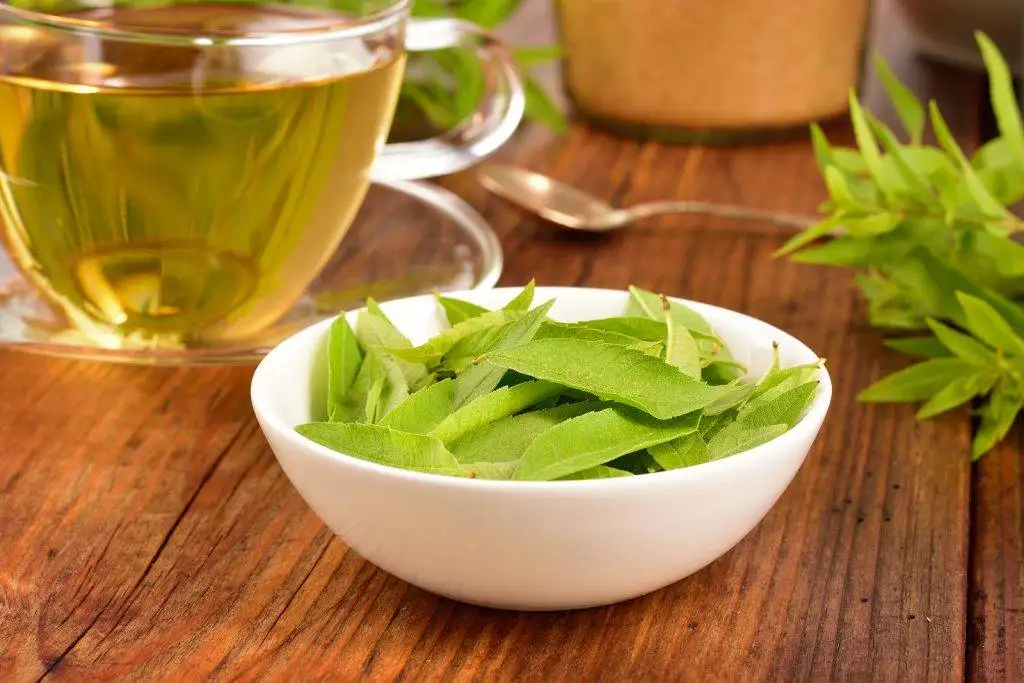
Use roughly one to two teaspoons of dried leaves per cup, or a small handful of fresh ones. Pour just-off-the-boil water over the leaves and steep, covered, for about 5 to 10 minutes. Covering the cup matters more than it sounds: it keeps the aromatic oils from drifting off with the steam. Strain, then sweeten only if you like, though the natural lemony brightness usually carries the cup on its own. Fresh leaves give a livelier citrus note; dried leaves are more convenient and store well.
Timing depends on what you want from it. Given the sleep research, an evening cup is the natural pick if winding down is the goal—make it part of a calm pre-bed routine rather than something you knock back on your way to bed. For everyday enjoyment or an after-dinner cup (its traditional digestive role), any time works, and lemon verbena blends nicely with other mild herbs. It is caffeine-free, so it will not keep you up the way a black or green tea can.
No complicated ritual required: a covered 5-to-10-minute steep holds onto the most aroma and compounds, and an evening cup of lemon verbena tea lines it up with the benefit area the research supports most directly.
Side Effects, Dosage & Who Should Be Cautious
For most healthy adults, lemon verbena tea is gentle and generally well tolerated. The muscle-recovery trial specifically described the extract as a safe, edible plant extract (Lee et al., Int. J. Med. Sci., 2021). That said, “herbal” does not mean “risk-free for everyone.”
How many cups a day? There is no official universal limit for lemon verbena tea, and the strongest dosing data comes from the extract studies above rather than from brewed tea. A sensible, moderate approach is one to three cups a day for general enjoyment, keeping in mind that lemon verbena tea does not match a clinical extract dose. Excessive use over long stretches can be hard on the stomach, so moderation is the rule.
A few groups should be genuinely careful, and this is where you check first rather than experiment:
- Pregnant or breastfeeding. There is not enough reliable safety information to call it safe here, so it is best avoided unless your clinician advises otherwise.
- Taking sedatives or sleep medication. Lemon verbena may add to drowsiness, so combining it with sedatives could leave you more sedated than intended.
- On prescription medication or managing a health condition. The chance of interactions means you should check with your clinician or pharmacist before making it a daily habit.
- Living with kidney concerns. Some herb references list kidney issues as a reason to be cautious—confirm with your clinician.
Bottom line on safety: for most healthy adults in moderate amounts, lemon verbena tea is a low-risk pleasure. But it is not for everyone. If you are pregnant, breastfeeding, on medication, or managing a medical condition, talk to your clinician before adding it to your routine. This is general health information, not medical advice.
The Honest Bottom Line
Lemon verbena tea is one of those rare wellness drinks where the research and the reputation actually meet partway. Controlled human trials link a standardized lemon verbena extract to better sleep quality and reduced exercise-induced muscle stress. Its traditional digestive and relaxing uses stay in the “pleasant ritual” column rather than the “proven cure” one. And a brewed cup of lemon verbena tea is a gentler, lower-dose version of what those studies tested. That framing—not a miracle claim—is the real reason to enjoy it.
One useful next step: if winding down is your goal, try a covered, 5-to-10-minute steep of lemon verbena tea as an evening cup and see how it fits your routine. If you are pregnant, breastfeeding, on medication, or managing a health condition, talk to your clinician first.
Frequently Asked Questions
Is lemon verbena tea good for sleep?
Research supports it. A 2024 randomized, double-blind, placebo-controlled trial (Nutrients, 2024) found a standardized lemon verbena extract improved sleep efficiency (84.5 vs. 79.8 in the placebo group, p=0.023) and significantly increased nocturnal melatonin in adults with poor sleep over 90 days. The evidence points toward a genuine benefit — though the trial used a concentrated extract rather than a brewed cup of lemon verbena tea.
How much lemon verbena tea should you drink per day?
There is no official universal limit. A sensible, moderate approach for most healthy adults is one to three cups of lemon verbena tea per day for general enjoyment. The strongest dosing data comes from extract studies (400 mg/day), not brewed tea, so the tea is the gentler everyday option. Excessive use over long stretches can irritate the stomach, so moderation is the rule.
Does lemon verbena tea have any side effects?
For most healthy adults in moderate amounts, lemon verbena tea is well tolerated and was described as a safe, edible plant extract in a 2021 clinical trial (Int. J. Med. Sci., 2021). However, it should be used with caution or avoided during pregnancy or breastfeeding, by those taking sedatives or sleep medication (it may increase drowsiness), and by anyone on prescription medication or with kidney concerns. Speak with a clinician if you fall into any of these groups.
What is the difference between lemon verbena tea and a supplement extract?
The key clinical studies on sleep and exercise recovery used standardized extracts — the plant’s active compounds concentrated into a measured, consistent dose. A cup of lemon verbena tea delivers a variable and generally much smaller amount of those same compounds. Both can have a place in your routine, but they are not interchangeable: if you are specifically seeking the trial-level benefits, a supplement discussed with a clinician is the more direct route; lemon verbena tea is the gentle everyday option.
What is lemon verbena tea good for?
The strongest clinical evidence supports two areas: sleep quality and exercise recovery. A 2024 controlled trial linked a standardized extract to improved sleep efficiency and increased nocturnal melatonin. A 2021 trial found it reduced exercise-induced muscle damage and oxidative stress. Lemon verbena tea is also traditionally used to ease digestion and promote relaxation, though these uses have cultural roots rather than high-quality clinical trial evidence behind them.
Read more — 5 Benefits of Drinking Celery Tea