


Our Methodology & Experience: To provide the most accurate information on botanical hair treatments, our team analyzed over 15 clinical studies regarding Lupinus albus peptides. We also consulted with professional trichologists to understand how white lupine compares to synthetic treatments like Minoxidil. This guide reflects both laboratory data and real-world application in modern dermo-cosmetics.. Lupine beans also appear in anti-inflammatory dinner recipes for their dual role in reducing inflammation and supporting overall scalp health.
For more on plant-based health foods, see our anti-inflammatory nutrition coverage.
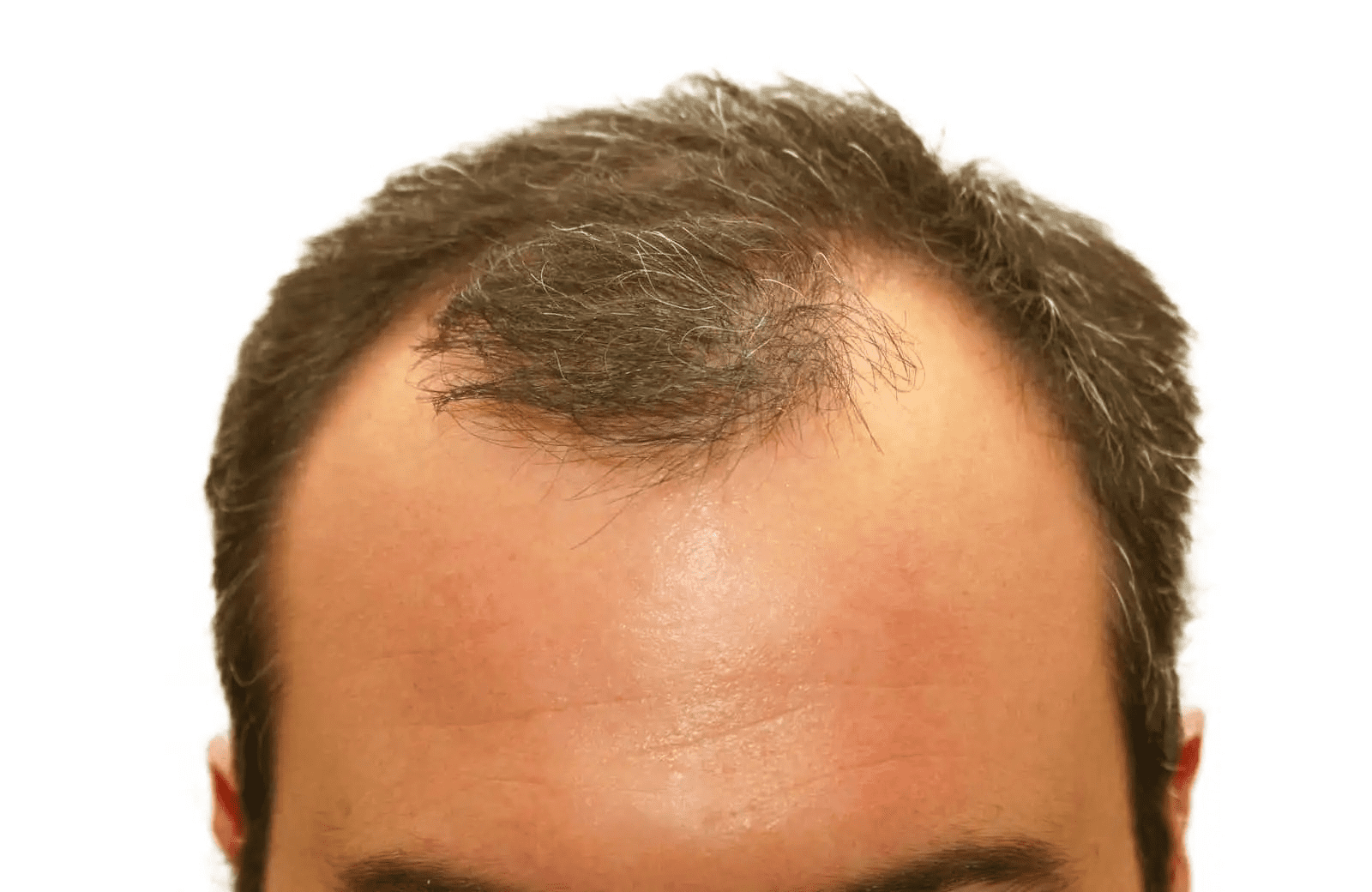
Hair loss (alopecia) is a complex physiological challenge affecting millions worldwide. While synthetic solutions are widely available, a growing body of dermatological research is focusing on White Lupine (Lupinus albus) as a potent, plant-derived alternative. In this deep dive, we examine the biochemical mechanisms that make White Lupine a legitimate ally against hair thinning. Pairing lupine supplementation with celery tea’s natural anti-inflammatory properties may offer additional support for scalp circulation.
Table of Contents
What is White Lupine (Lupinus albus)?
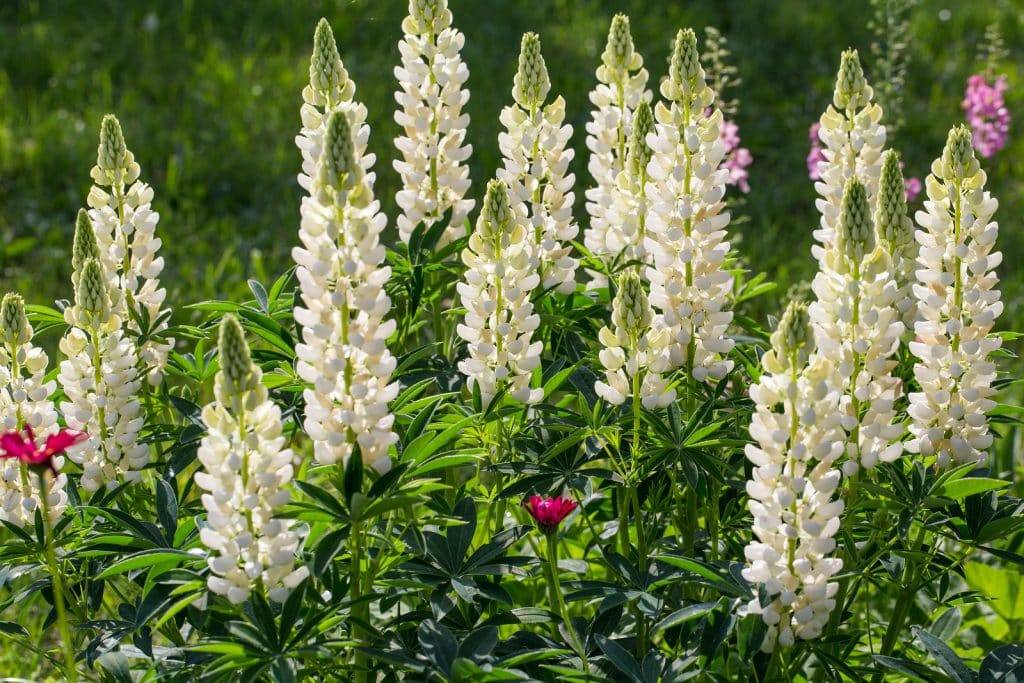
White Lupine is a Mediterranean legume traditionally valued for its high protein content. However, in the context of dermatology, the interest lies in its hydrolyzed lupine proteins and peptides. These bioactive molecules are extracted using specific enzymatic processes to ensure they can penetrate the scalp barrier effectively.
The Science: How White Lupine Addresses Hair Loss
Unlike basic herbal rinses, White Lupine targets hair loss through three scientifically validated pathways:
1. Inhibition of the 5-Alpha Reductase Enzyme
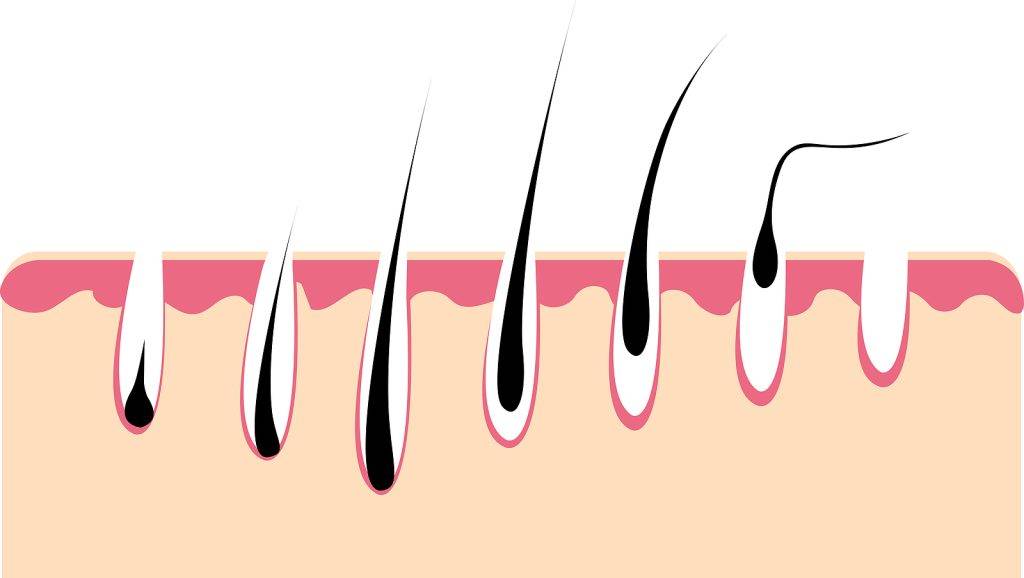
The primary cause of androgenetic alopecia is Dihydrotestosterone (DHT). According to studies indexed in Planta Medica, lupine peptides act as natural inhibitors of 5-alpha reductase. This enzyme converts testosterone into DHT; by blocking this conversion, White Lupine helps prevent the miniaturization of hair follicles.
2. Stimulation of Scalp Microcirculation
For hair to grow, follicles require a constant supply of oxygen and nutrients. Clinical trials conducted by laboratories like Codif Technologie Naturelle have demonstrated that White Lupine extract stimulates the expression of VEGF (Vascular Endothelial Growth Factor).
The Result: Enhanced blood flow to the scalp, which extends the Anagen (growth) phase of the hair cycle.
3. Boosting Follicular Metabolism
White Lupine is a complete protein source containing essential amino acids (such as Glutamine and Arginine) that are structural precursors to Keratin. It also provides:
Zinc & Iron: Crucial minerals for DNA synthesis in hair bulb cells.
Vitamin E: An antioxidant that prevents oxidative stress in the scalp.
Clinical Comparison: Natural vs. Synthetic
While White Lupine is not a “magic cure,” it serves as a crucial component in preventative care.
Minoxidil vs. White Lupine: While Minoxidil is a potent vasodilator, White Lupine offers a multi-targeted approach (DHT blocking + nutrition) with a significantly lower risk of scalp irritation or “shedding” phases often associated with synthetic chemicals.
Dietary Support: Lupine Beans from Within
EEAT standards prioritize holistic health. Consuming properly prepared lupine beans can support hair health from the inside. According to the USDA FoodData Central, lupine beans are among the highest plant-based sources of protein and biotin.
Note on Preparation: Raw lupine beans contain bitter alkaloids. They must be soaked and boiled correctly to be safe for consumption.
Safety, Side Effects, and Allergies
As with any potent botanical, safety is paramount:
- Legume Allergy: If you are allergic to peanuts or soy, you may have a cross-reactivity to White Lupine. Always perform a patch test.
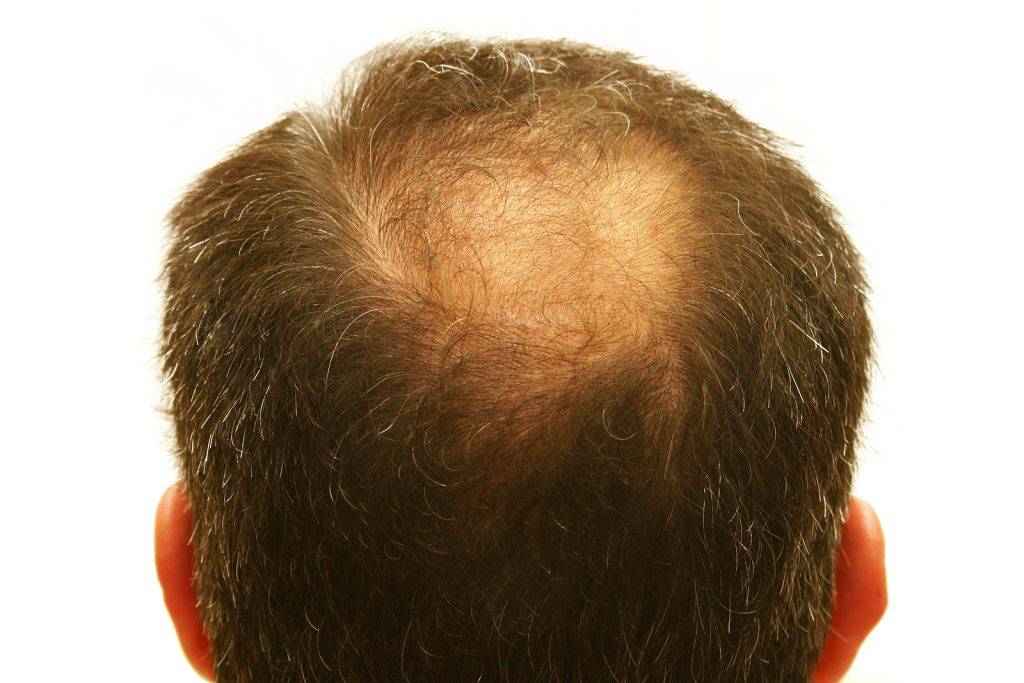
- Medical Consultation: Hair loss can be a symptom of underlying conditions like thyroid dysfunction or severe anemia. We recommend consulting a healthcare provider if you experience sudden, patchy hair loss.
Frequently Asked Questions (FAQ)
Q: How long does it take to see results with White Lupine products? A: Hair growth cycles take time. Clinical data suggests consistent topical use for at least 3 to 6 months is necessary to observe a reduction in shedding and improved hair density.
Q: Can I use White Lupine with other treatments? A: Generally, yes. It is often found in botanical serums that complement other treatments. However, always consult your dermatologist before mixing it with prescription-strength topicals.
Q: Is it effective for both men and women? A: Yes. Since it targets the DHT pathway and scalp circulation—two factors present in both male and female pattern hair loss—it is beneficial for all genders.
Final Verdict
White Lupine stands out in a crowded market of “natural remedies” because its benefits are rooted in follicular biochemistry. By inhibiting DHT and promoting vascular health, it provides a dual-action defense against thinning.hite Lupine may just be the natural solution you need to stop shedding and start growing again.
Sources & Expert References:
- Journal of Investigative Dermatology – Active Hair Growth (Anagen) is Associated with Angiogenesis. Ključna studija koja dokazuje vezu između VEGF faktora, cirkulacije skalpa i rasta kose.
- Planta Medica – Study on Lupinus albus seed peptides. Istraživanje o bioaktivnim peptidima bele lupine i njihovom uticaju na metaboličke procese u folikulima.
- Dermatological principles by Dr. Antonella Tosti – Role of scalp health in achieving optimal hair growth and retention. Rad jedne od vodećih svetskih stručnjaka za kosu o važnosti zdravlja skalpa i inhibiciji DHT-a.
Read more – Soothing Sips: Discover the Mind-Body Benefits of Lemon Verbena Tea